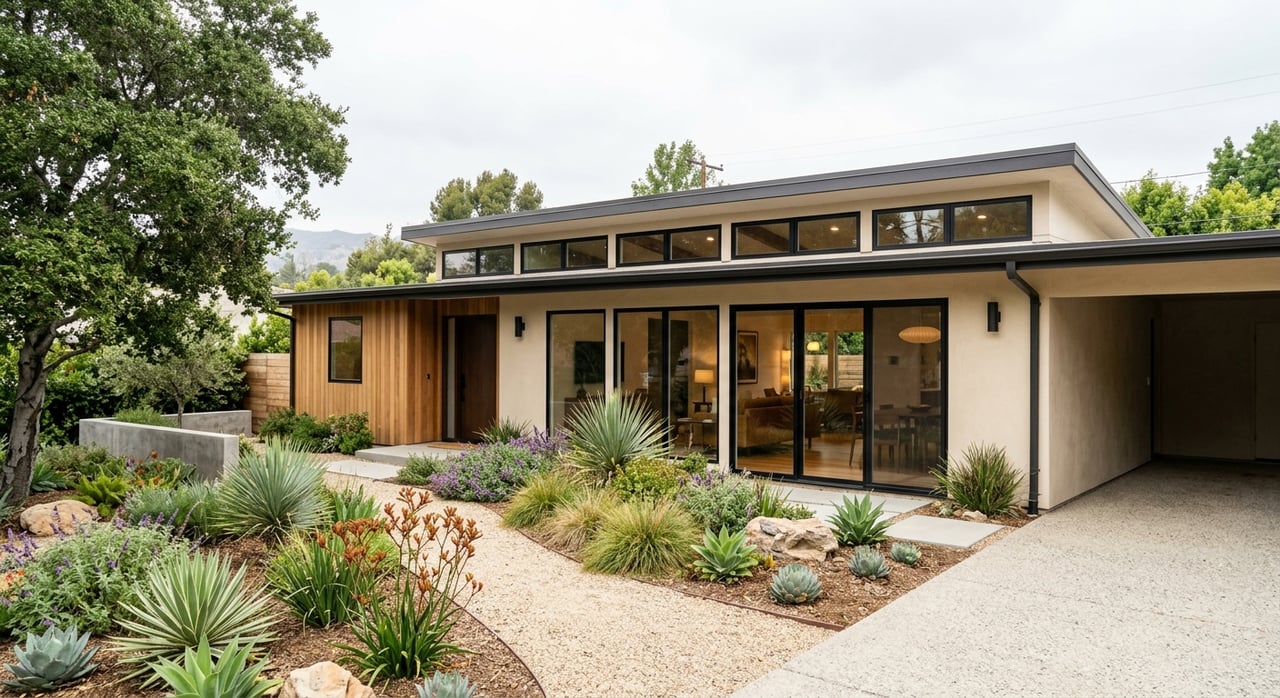
Concord Home Styles And Neighborhood Feel For Buyers
July 16, 2026
July 16, 2026
Wondering what Concord actually feels like from one part of the city to the next? That is a smart question, because Concord is not one single housing experience. If you are buying here, it helps to understand how home style, street pattern, and transit access can shape your day-to-day life just as much as square footage or price. Let’s dive in.
Concord is the largest city in Contra Costa County, with about 123,000 residents across 31 square miles. That size matters because it creates a city with multiple housing patterns, not one uniform neighborhood feel.
City planning documents point to distinct subareas including Central Concord, Four Corners/Ygnacio Valley, Clayton Valley, Olivera/Port Chicago, and the Concord Reuse Project. For you as a buyer, the big takeaway is simple: Concord stretches from a historic downtown core to established postwar neighborhoods to areas planned for newer, transit-oriented growth.
If you are drawn to older homes and a more walkable routine, North Todos Santos and the downtown area are often the first places to understand. The city describes North Todos Santos as Concord’s oldest and most historically significant neighborhood.
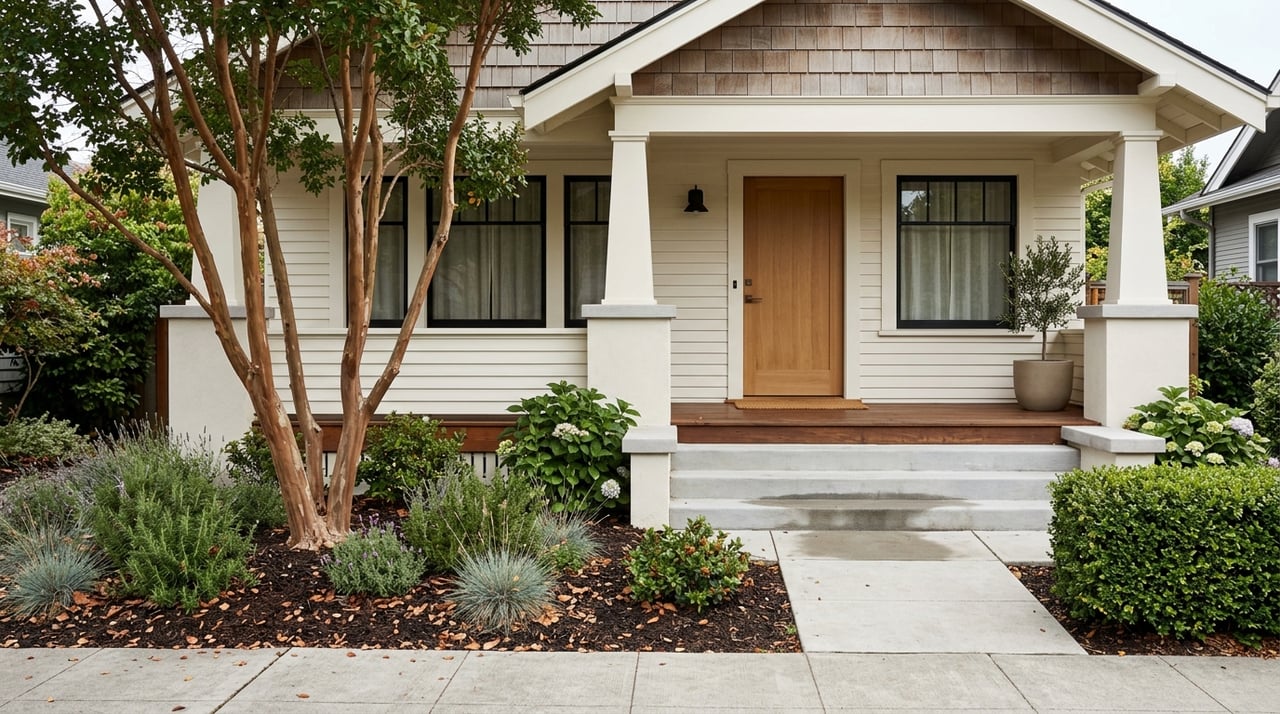
Many homes in this area date from about 1880 to 1930. The city identifies styles such as Italianate, Queen Anne, Craftsman, Bungalow, and Mission, which gives this part of Concord a noticeably different look from later-built residential areas.
The feel here is shaped by more than architecture. Downtown planning is focused on integrating housing, jobs, retail, and transportation, with stronger pedestrian and bicycle connections, especially between Concord Station and Todos Santos Plaza.
For you, that can translate into a more foot-based lifestyle than you might expect in a suburban East Bay city. If you like the idea of being closer to transit, local businesses, and an older street grid, this part of Concord deserves a closer look.
A large share of Concord’s residential areas developed after the historic core. City materials note that the southeast along Clayton Road was mostly developed in the 1960s and 1970s, while the Olivera/Port Chicago area was largely built from the 1940s through the 1960s.
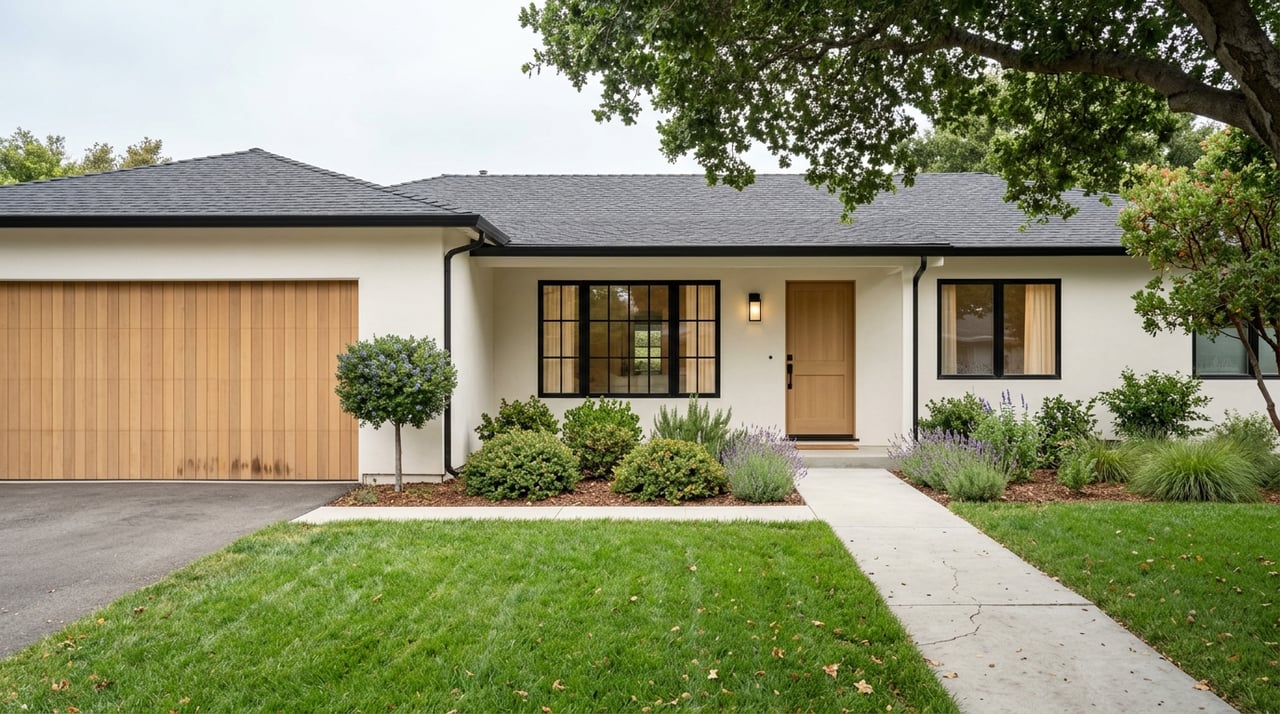
In practical terms, many buyers will recognize the familiar mid-century suburban look in these areas. Think ranch-style homes, tract development patterns, and more conventional residential streets.
This setting often appeals to buyers who want a more settled neighborhood feel, more separation from mixed-use activity, and the classic suburban rhythm of detached homes and yard space. If that is your priority, established inland areas of Concord may feel like a better fit than the downtown edge.
Clayton Valley is described by the city as Concord’s most extensive developed subarea. That matters because it gives buyers a wide range of established housing options within one general part of the city.
Rather than expecting one exact home style throughout, it is more useful to think of Clayton Valley as a broad suburban setting. You may find that the neighborhood feel comes more from block-by-block layout, lot size, and proximity to major roads than from any single design identity.
For buyers comparing Concord options, Clayton Valley often fits the search for established residential streets and a more traditional suburban pattern. It is a good reminder that in Concord, scale changes the experience.
Four Corners/Ygnacio Valley is described in city planning documents as a diverse residential area north and south of the Monument Boulevard business corridor. That description is useful because it signals a more mixed-density environment than a purely detached-home neighborhood.
For buyers, this can mean a wider range of home types and street experiences. Some areas may feel more residential and tucked in, while others are more connected to commercial corridors and daily services.
If you want flexibility in home type and access to everyday conveniences, this part of Concord may be worth comparing carefully. The key is to look beyond the listing address and pay attention to the immediate blocks around it.
One of the clearest lifestyle differences in Concord comes from proximity to transit. The city’s planning framework treats downtown, the Concord BART station area, and the North Concord BART station area as more pedestrian-oriented than the city’s typical suburban street network.
Concord Station includes parking, bike racks, 64 BikeLink lockers, and connecting County Connection routes. The station area has also seen pedestrian and bicycle improvements that strengthen the connection to Todos Santos Plaza.
North Concord/Martinez Station also includes parking and bike storage, and BART planning materials describe the surrounding area as a higher-density, transit-oriented district with strong walkability potential. If rail access or bike commuting matters to you, walking distance and the feel of the surrounding blocks should be a major part of your home search.
Price in Concord is shaped more by home type and location than by the city name alone. That is especially important if you are trying to balance budget, commute, and upkeep.
Based on Concord’s housing mix and planning framework, attached homes and transit-adjacent units often serve as lower-maintenance entry points. For some buyers, that can be a practical way to access Concord while staying close to BART and mixed-use areas.
By contrast, historic homes near the central core may command attention for character and walkability. Larger detached homes in established neighborhoods or newer construction typically sit above the citywide median.
Current market data shows Concord’s average home value at $742,257, with a median sale price of $725,000 as of April 30, 2026. Zillow also reports that homes go pending in around 14 days.
That pace suggests you should be clear on your priorities before the right home appears. In Concord, the better strategy is not just deciding on a budget. It is deciding which lifestyle setting fits you best so you can move quickly when a matching property hits the market.
Census QuickFacts also shows a 61.6% owner-occupied rate, a median owner-occupied value of $797,600, and median gross rent of $2,274. Those numbers add useful context, but they do not replace the need to compare home type, location, and daily routine on a more local level.
If you are narrowing down where to focus, it helps to think less about ranking neighborhoods and more about matching your routine to the right setting.
North Todos Santos and the downtown/BART edge may suit you if you value older architecture, walkability, and easier access to restaurants, transit, and public gathering spaces. These areas offer a different texture than Concord’s later-built neighborhoods.
Postwar neighborhoods in areas like Clayton Valley and Olivera/Port Chicago may be a better fit if you want a more classic suburban pattern. Detached homes, a quieter residential feel, and more yard-oriented living are often part of the appeal.
If convenience and lower-maintenance living are high priorities, compare condos, townhomes, and infill housing near Concord Station and North Concord/Martinez Station. In these areas, transit access is often part of the daily lifestyle rather than just a bonus.
The Concord Reuse Project is planned to include multiple distinct neighborhoods with a variety of housing types, densities, and price levels. Buyers who like the idea of getting into an area shaped by long-term growth should keep an eye on this part of the city and the broader North Concord station area.
Online photos can show finishes, but they do not fully capture neighborhood feel. In Concord, it is especially important to notice the street pattern, distance to transit, nearby commercial activity, and whether the area feels historic, suburban, mixed-density, or still evolving.
You should also compare how much maintenance you want to take on. A charming older home, a mid-century detached house, and a newer transit-oriented condo can all offer very different ownership experiences, even within the same city.
That is why Concord often rewards a more strategic home search. When you know the setting that fits your lifestyle, you can rule options in or out faster and make more confident decisions.
If you want help comparing Concord home styles, neighborhood feel, and the tradeoffs between commute, character, and price, the Gallegos Boaman Group can help you build a smarter East Bay search strategy.
Stay up to date on the latest real estate trends.
We bring together a mix of integrity, imagination and an inexhaustible work ethic, striving to make each buying and selling experience the best possible. Contact us today to find out how we can be of assistance to you!