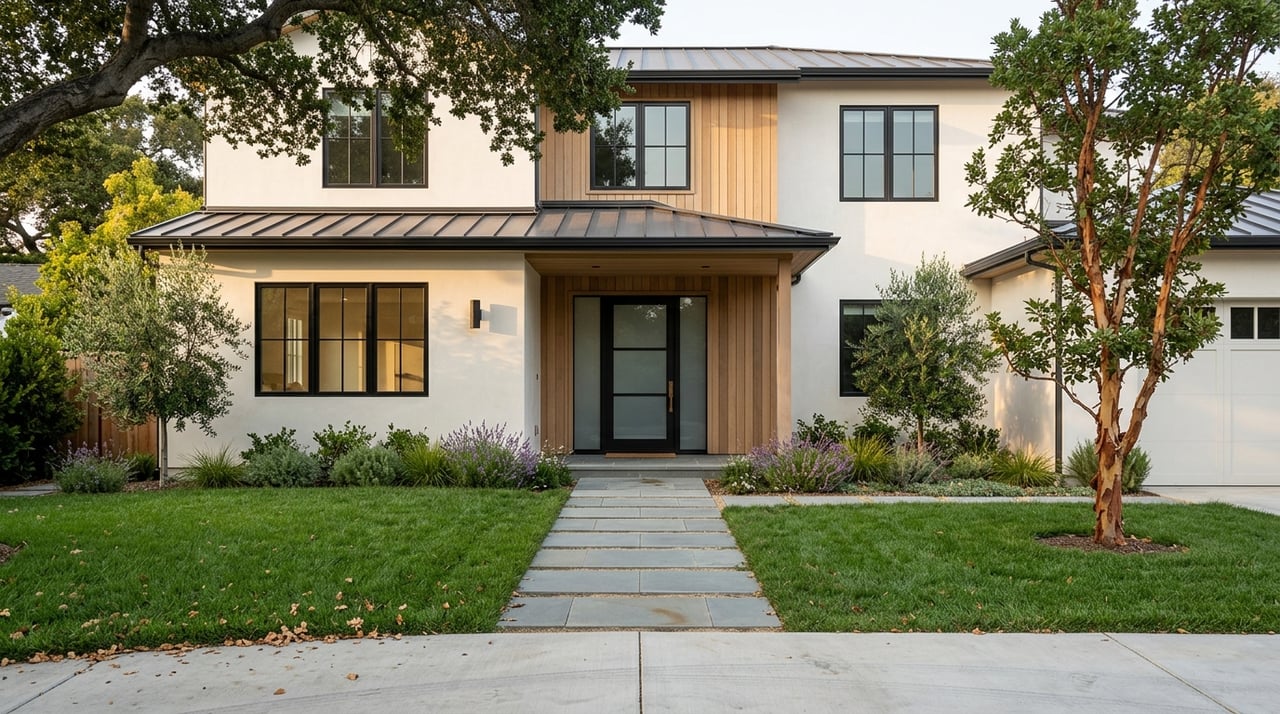
Living In Lafayette: Everyday Life, Dining, And Outdoors
May 21, 2026
May 21, 2026
If you are thinking about living in Lafayette, you are probably looking for more than a dot on the map. You want to know what daily life actually feels like, from getting around town to grabbing dinner downtown to finding easy ways to spend time outside. The good news is that Lafayette offers a lifestyle built around convenience, community, and open space. Let’s dive in.
Lafayette blends a compact downtown with a more residential, semi-rural feel in the surrounding neighborhoods. The city is about 15 square miles in Contra Costa County and sits between Berkeley and Walnut Creek, which gives you a central East Bay location with a distinct local identity.
The city also has its own BART station, and Lafayette describes San Francisco as about a 25-minute BART ride away. That mix of local calm and regional access is a big part of what shapes everyday life here.
Lafayette is home to an estimated 25,313 residents and 9,623 households, according to Census QuickFacts. The same data shows a 77.1% owner-occupied housing rate, which reflects a community with many long-term homeowners.
You also see a broad age mix in the data. Census QuickFacts reports that 25.7% of residents are under 18 and 21.3% are age 65 and older, which points to a city that supports a range of life stages.
Downtown Lafayette plays an important role in how the city functions day to day. Experience Lafayette describes it as the place for eating, shopping, services, and gathering, which makes it more than just a business district.
One reason downtown stands out is accessibility. The city highlights Lafayette as walkable, bikeable, BARTable, drivable, and convenient to freeways, so you have several practical ways to move through town.
That convenience shapes how people use downtown. Whether you are meeting for coffee, running errands, heading to dinner, or stopping by a local shop, the area is designed to support everyday routines.
Lafayette promotes a vibrant culinary, beer, and wine scene in its downtown core. City updates describe dining options as ranging from coffee shops and quick bites to elegant dining experiences, which gives you flexibility whether you want something casual or a more polished night out.
Shopping and services are part of the draw as well. The city describes downtown as home to locally owned stores with unique gifts and professional services, which helps create a more personal, small-scale feel.
Recurring events add another layer to life in Lafayette. The city highlights the Art & Wine Festival, Res Run for Education, Trick or Treat Street, the Taste of Lafayette Restaurant Stroll, Community Day, the Earth Day Festival, and the Rock the Plaza Concert Series.
These events help downtown feel active throughout the year rather than busy only on weekdays. The city is also rolling out a downtown mural program that will add four outdoor murals over time, which adds more public art to the mix.
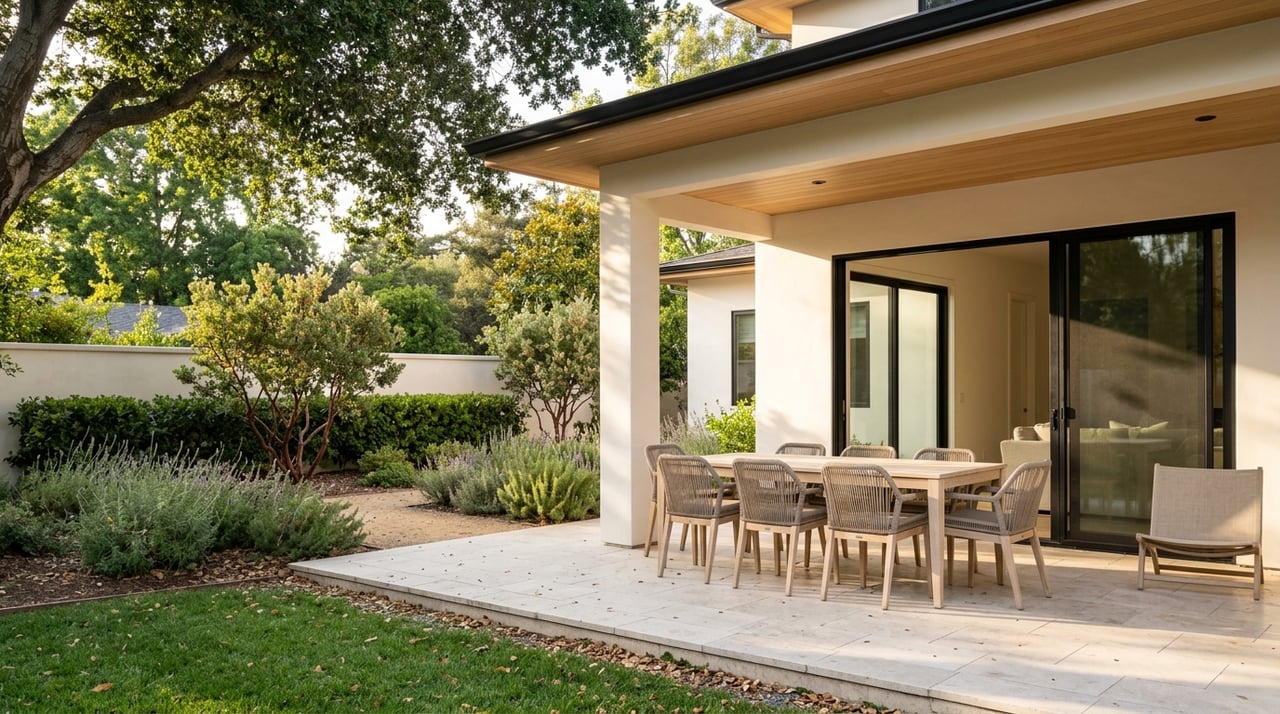
One of Lafayette’s defining lifestyle features is how easy it is to connect with parks, trails, and open space. The city’s Parks, Trails & Recreation department includes six parks, seven neighborhood trails, a community center, and more than 16 miles of hiking trails.
This network is not just about weekend recreation. The city also notes that its trail system provides transportation alternatives, which means trails can be part of your routine as well as your free time.
The Lafayette Reservoir is one of the city’s most versatile outdoor amenities. The city describes it as a year-round day-use area for hiking, jogging, fishing, boating, and picnicking.
It also includes boat rentals, picnic areas, play areas, restrooms, and a fishing dock. If you want an outdoor spot that works for a solo walk, a family outing, or a more active afternoon, this is one of the places that gives Lafayette its strong outdoor identity.
Lafayette’s local trail system connects to a broader outdoor network. The city highlights access to the Lafayette-Moraga Trail, Reservoir trails, and trails in Briones, and notes that Lafayette borders Briones Regional Park.
East Bay Regional Park District also states that the Briones to Las Trampas Regional Trail links Briones Regional Park to the Lafayette-Moraga Trail and passes through Lafayette. In practical terms, that means open space is not tucked away at the edges of town. It is woven into the way the city lives.
The Lafayette Community Center adds another layer to daily life. Located in Burton Valley, it offers programs for toddlers, teens, older adults, fitness, arts, and room rentals.
That broad mix of programming helps make recreation feel accessible and routine. It supports everything from after-school schedules to fitness goals to community gatherings.
Convenience matters, especially if you want a town that feels connected without feeling overly dense. Lafayette’s location between Berkeley and Walnut Creek, plus its BART station, gives you strong regional access while keeping daily life centered close to home.
The city’s ongoing infrastructure work also points to that same goal. Lafayette secured funding for a separated Aqueduct Pathway segment designed to create a safer, car-free connection between neighborhoods, downtown, and BART.
For many buyers, that kind of connectivity matters as much as home size or finishes. It can shape how easily you move between home, errands, dining, recreation, and transit.
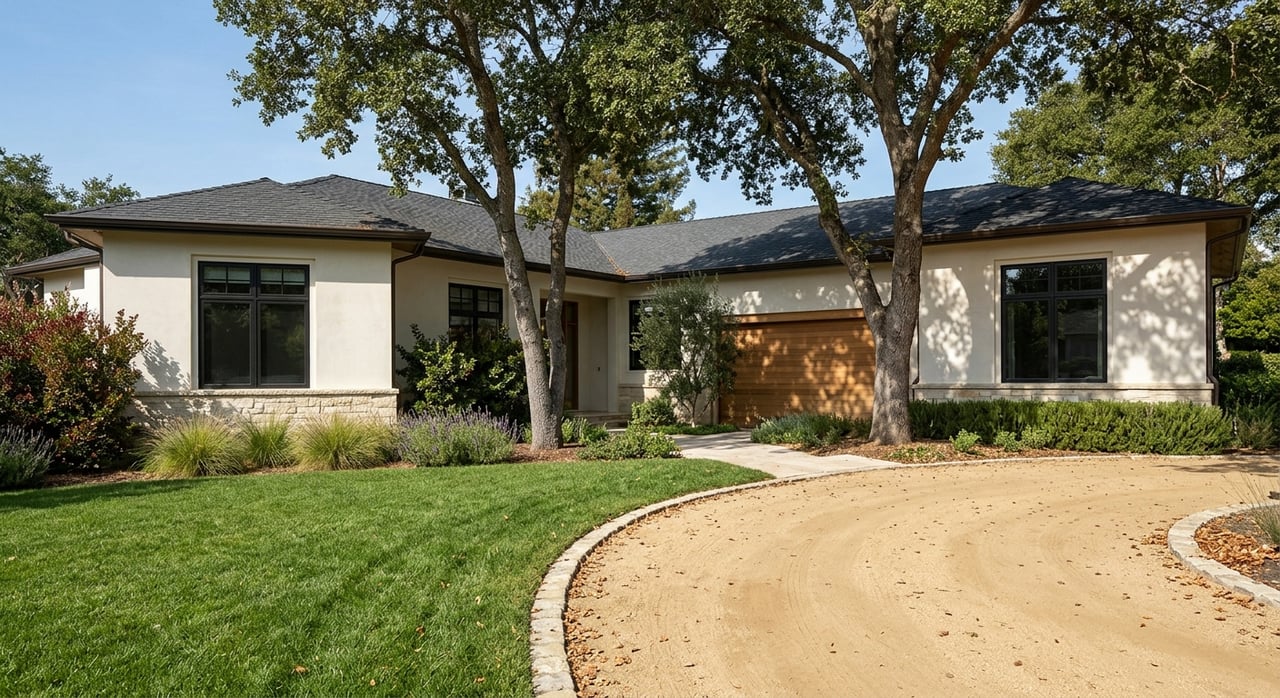
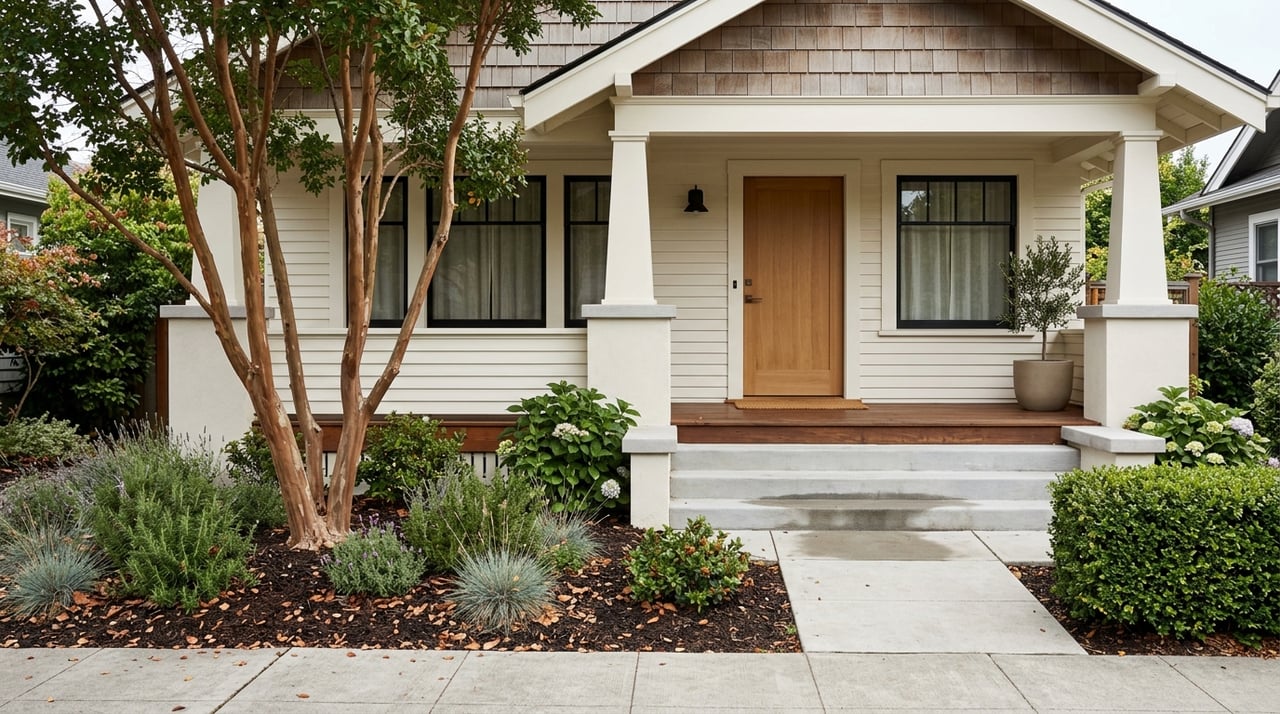
Lafayette’s housing pattern reflects two distinct but connected ways of living. City planning documents show that single-family homes are generally located north of the freeway and in surrounding neighborhoods, while multifamily development is concentrated in downtown.
That means your day-to-day experience can vary depending on where you live in town. Some buyers are drawn to established residential settings, while others want a newer, lower-maintenance home close to dining, shops, and transit.
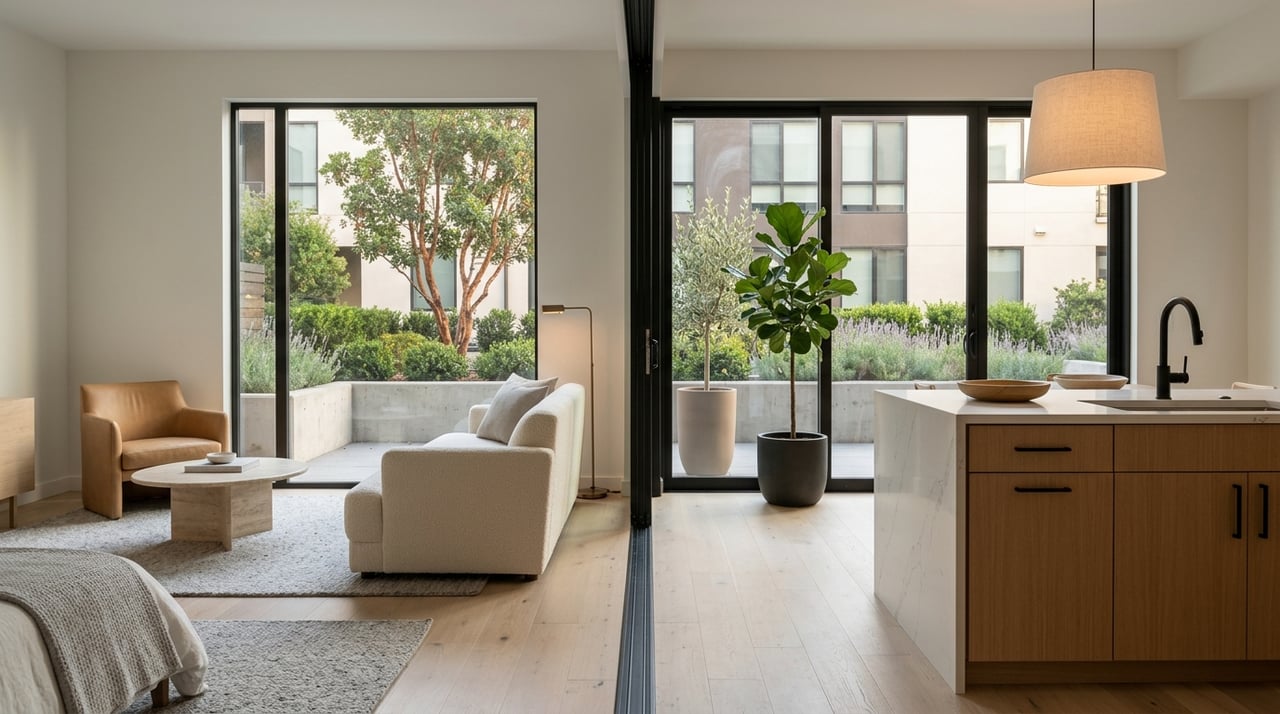
Recent downtown projects help show what this looks like in practice. Blue Oak is a four-story condominium community with 20 for-sale homes, and The Brant is a three-story mixed-use development with 66 for-sale condominiums and ground-floor commercial space.
Both are within walking distance of downtown shops, restaurants, and the Lafayette BART station. For buyers who value convenience and a more walkable routine, this area offers a different lifestyle than Lafayette’s larger residential neighborhoods.
Outside downtown, the city uses neighborhood labels such as Burton Valley, Happy Valley, Reliez Valley, and Acalanes/Downtown in civic planning and community discussions. The city also references Springhill Valley, Acalanes Valley, and Acalanes Ridge in land-use discussions.
The practical takeaway is straightforward. Lafayette offers a compact downtown and BART area with newer condos and mixed-use buildings, along with a broader ring of established neighborhoods where detached homes and more residential, trail-adjacent settings are more common.
Lafayette tends to appeal to buyers who want a blend of access, outdoor recreation, and an active local downtown. It offers a city structure where dining, events, trails, parks, and transit all play a visible role in everyday life.
It can also suit different chapters of life because the city supports a range of routines. Whether you picture mornings on the trail, afternoons downtown, or easy BART access for work or weekend plans, Lafayette gives you several ways to shape daily life around what matters most to you.
If you are exploring Lafayette as your next move, it helps to look beyond listings and think about how each part of town supports the way you want to live. That is often where the right fit becomes much clearer.
If you want thoughtful guidance as you explore Lafayette and the surrounding Lamorinda market, connect with Gallegos Boaman Group.
Stay up to date on the latest real estate trends.
We bring together a mix of integrity, imagination and an inexhaustible work ethic, striving to make each buying and selling experience the best possible. Contact us today to find out how we can be of assistance to you!